
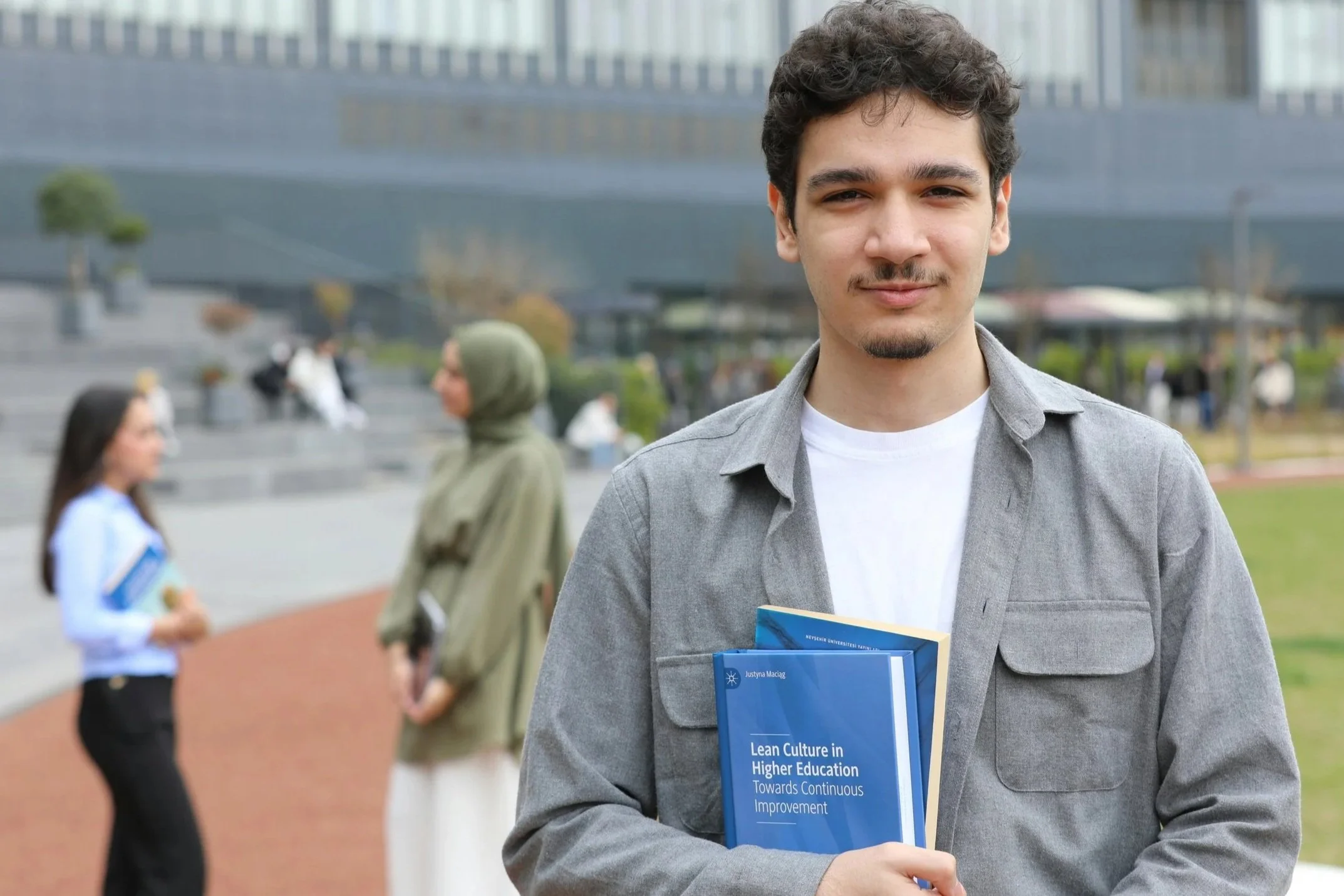
The Pathway Pitch Challenge…
… is The Graduation Gap’s signature end-of-semester showcase — where students don’t just explore careers, they defend them.
Instead of attending a traditional career fair, students spend the semester developing a “mock career launch” — researching the field, building a roadmap, analyzing costs and training pathways, and preparing a professional defense of their chosen direction.
At the end of the term, they present and defend their pathway before a live panel in a high-energy, Shark Tank-style forum that prioritizes clarity, intentionality, and real-world thinking.
This isn’t career exposure.
It’s career ownership.

The Pathway Pitch Challenge
〰️
The Pathway Pitch Challenge 〰️
This is an immersive, semester-long career exploration experience designed to move students from passive awareness to active decision-making.
Rather than walking through booths at a traditional career fair, students choose a career pathway at the beginning of the semester and work as if they are launching into that field.
Throughout the term, students:
Research industry demands and growth outlook
Analyze education, certification, or trade pathways
Calculate real-world costs and timelines
Map out entry-level steps
Identify mentors and professional networks
Evaluate lifestyle, salary, and sustainability factors
Build a launch plan
The semester culminates in a live “defense” forum, where students present and defend their chosen direction before educators, community leaders, and industry professionals.
Students must justify:
Why this path?
Why now?
What is your next move?
What obstacles exist — and how will you overcome them?
The result is clarity, confidence, and accountability.
Why We Created This
At The Graduation Gap, we believe the space between graduation and “what’s next” is where students need the most support.
Too often, students:
Default into college without direction
Avoid trade pathways due to lack of exposure
Drift after graduation
Or make high-cost decisions without clarity
The Pathway Pitch Challenge transforms career exploration into a structured, defendable decision-making process.
It bridges the gap between curiosity and commitment.
For Parents
This program equips students with something more valuable than a career suggestion — it gives them the tools to think critically about their future.
Parents often ask:
“Do they know what they want to do?”
“Are they choosing intentionally?”
“Do they understand the financial realities?”
The Pathway Pitch Challenge ensures students leave the semester with:
A researched plan
A clear next step
An understanding of cost vs. return
Confidence in articulating their direction
It’s not about locking them into one path.
It’s about teaching them how to choose wisely.
For Schools & Districts
The Pathway Pitch Challenge aligns with college-and-career readiness standards while elevating traditional career fair models into experiential learning.
This program:
Promotes accountability and ownership
Encourages real-world research
Builds presentation and defense skills
Supports trade, workforce, military, and college pathways equally
Strengthens community partnerships
Provides measurable engagement outcomes
Students don’t just explore careers — they defend a decision.
And that changes everything.

Real Impact. Real Growth. Real Readiness.
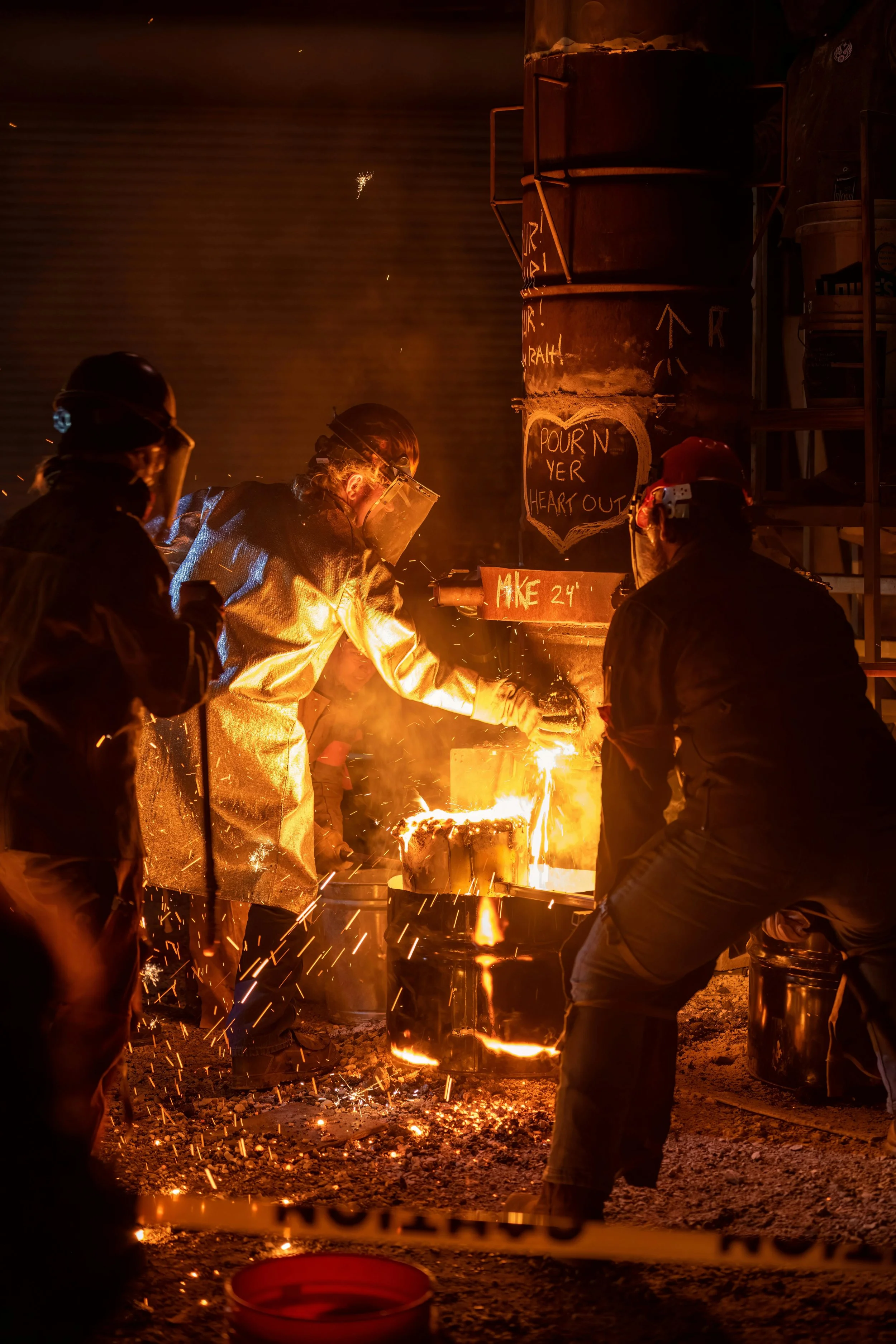
Since launching this model, we’ve seen a measurable shift in how students approach their futures.
Students who once answered “I don’t know” when asked about life after graduation now speak with clarity and conviction. They aren’t just naming careers — they are explaining pathways, costs, certifications, industry demands, and next steps.
We’ve seen students:
Pivot away from default decisions after researching the financial realities of certain degrees
Discover trade and certification pathways they didn’t previously know existed
Build confidence in public speaking and professional presentation
Develop stronger time management and accountability skills
Identify real mentors and local industry connections
Think critically about lifestyle, debt, and long-term sustainability
Take ownership of their next move instead of waiting to be directed
But perhaps most importantly, we’ve seen students learn how to defend a decision — respectfully, thoughtfully, and with evidence.
That skill translates far beyond career choice.

Start Your Next Adventure
Since launching this model, we’ve seen a measurable shift in how students approach their futures.
Students who once answered “I don’t know” when asked about life after graduation now speak with clarity and conviction. They aren’t just naming careers — they are explaining pathways, costs, certifications, industry demands, and next steps.
We’ve seen students:
Pivot away from default decisions after researching the financial realities of certain degrees
Discover trade and certification pathways they didn’t previously know existed
Build confidence in public speaking and professional presentation
Develop stronger time management and accountability skills
Identify real mentors and local industry connections
Think critically about lifestyle, debt, and long-term sustainability
Take ownership of their next move instead of waiting to be directed
But perhaps most importantly, we’ve seen students learn how to defend a decision — respectfully, thoughtfully, and with evidence.
That skill translates far beyond career choice.

The Pathway Pitch Challenge is not a simulation for the sake of performance. It mirrors real-life decision-making.
In adulthood, students will need to:
Justify financial investments
Evaluate risk and return
Present ideas professionally
Adapt when challenged
Answer hard questions with clarity
Make informed pivots
This program practices all of it.
Students don’t just “pick a career.”
They research, analyze, calculate, and defend it — just as they would in real life.
By the time they graduate, they aren’t waiting for direction.
They are prepared to articulate it.
Preparing Students for Life After Graduation
Life after graduation isn’t about having all the answers.
It’s about knowing how to pursue them intentionally.
Through this experience, students develop:
Decision-making confidence
Financial literacy awareness
Professional communication skills
Long-term thinking
Personal accountability
Strategic planning habits
Whether they choose college, trade school, military service, entrepreneurship, or direct workforce entry — they leave equipped with a framework for evaluating opportunity.
And that framework becomes a lifelong asset.
The Long-Term Outcome
The ultimate goal is not to lock students into one path.
It’s to teach them how to think about their path.
When students understand:
Why they’re choosing something
What it will cost
What it requires
What the alternatives are
They graduate not just with a diploma — but with direction.
And that changes the trajectory of their adulthood.